
Korean food for kids worries parents more than the language or the transport does. The question we hear most is simple: what is my child going to eat?
The fear is reasonable and mostly misplaced. Korean food has a reputation for chilli that the everyday version does not deserve. A great deal of what Koreans actually eat on a Tuesday is mild, savoury and beige — the exact colour palette a cautious seven-year-old trusts.
Here is what works, what to say, and how to find a restaurant that will be glad to see you.
The Korean food for kids that picky eaters actually eat
Start with these five. Between them you can feed a suspicious child for a fortnight.
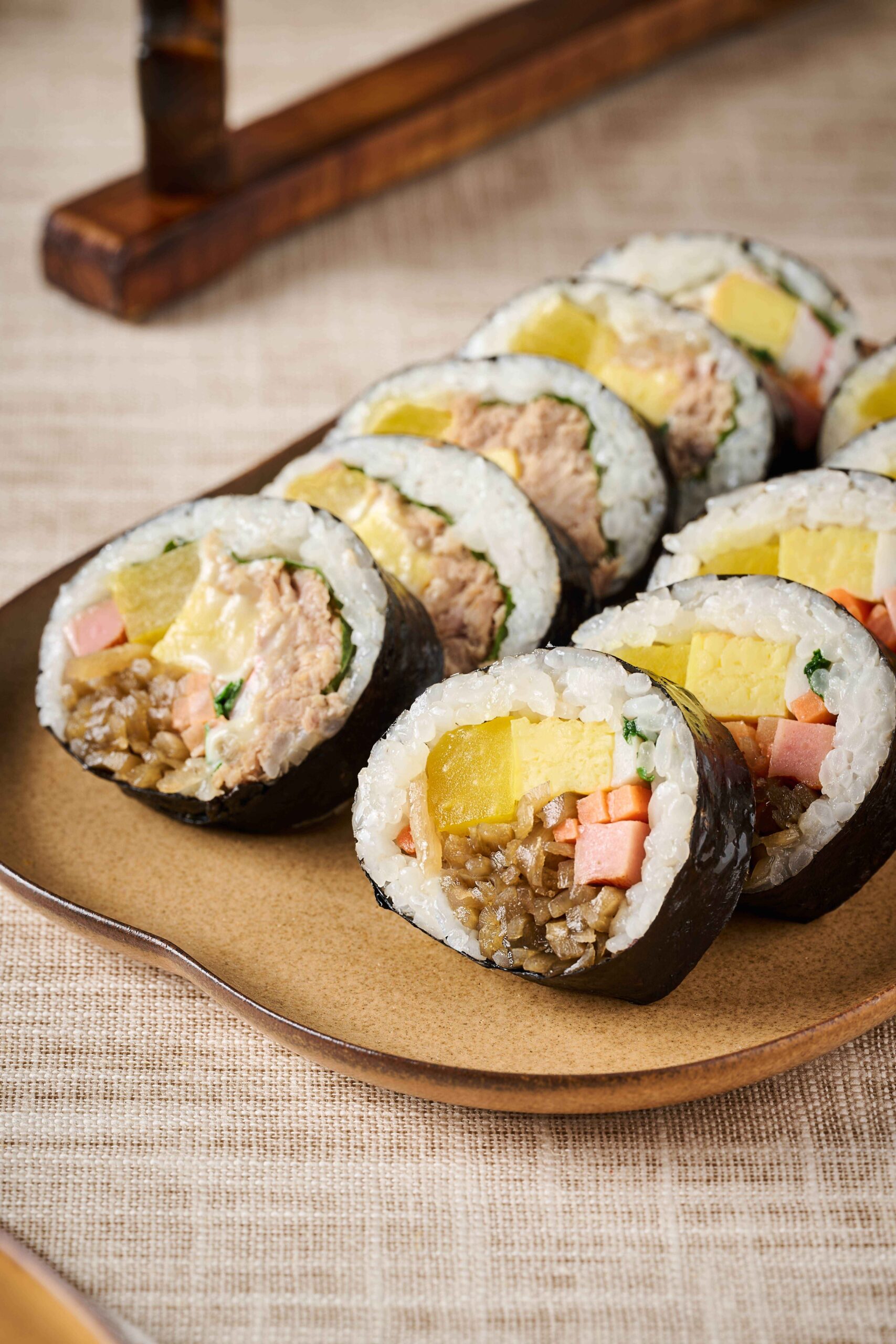
Gimbap (김밥). Rice, vegetables, egg and usually ham or tuna, rolled in seaweed and sliced. It is not spicy, it is portable, it costs 4,000–5,000 won a roll, and it is sold everywhere from dedicated gimbap chains to every convenience store in the country. If you take one thing from this article: gimbap is the safe answer. Ask for it without the pickled radish if that is the sticking point.
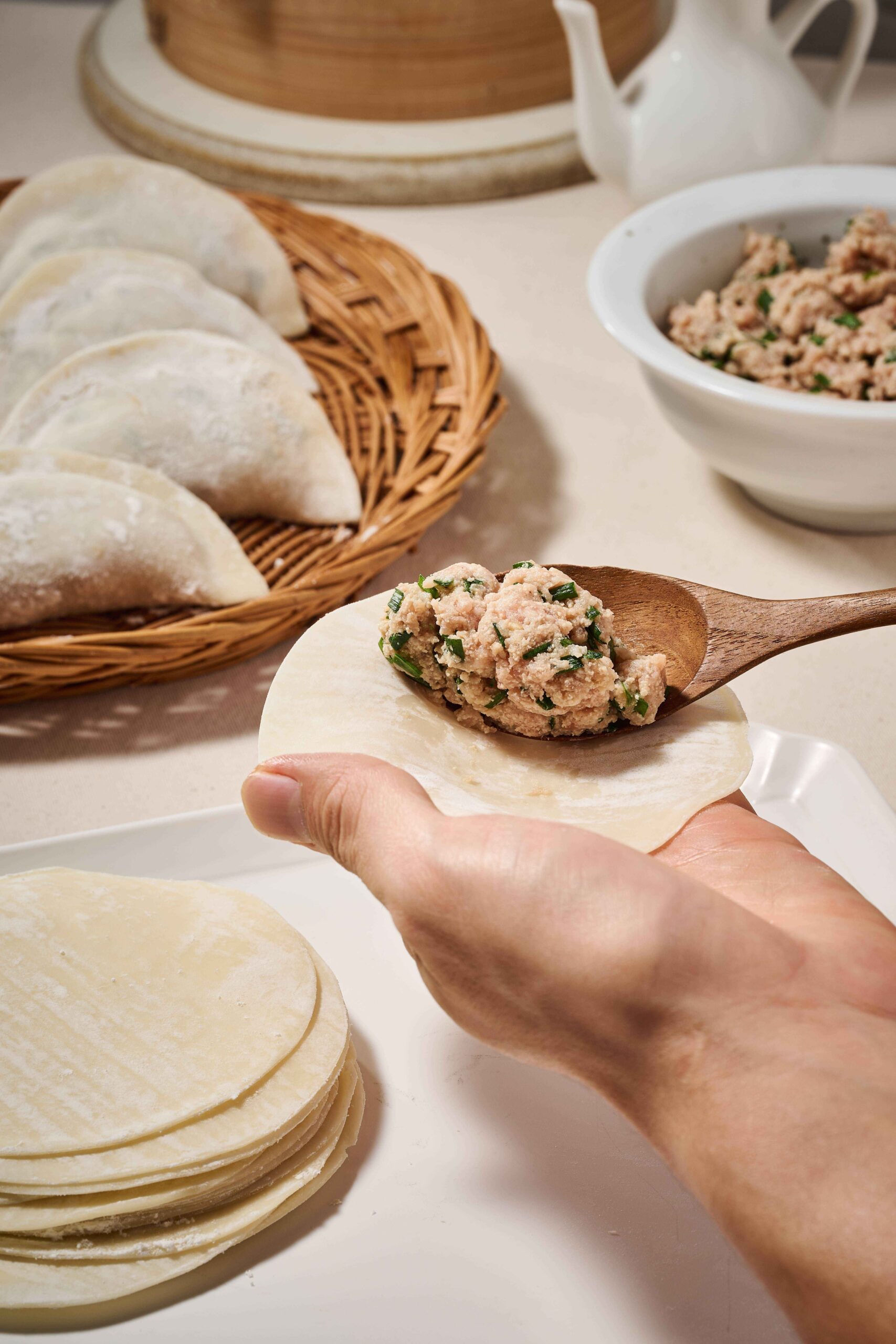
Mandu (만두). Dumplings, steamed or fried, filled with pork and vegetables or with kimchi. Order the plain kind — 고기만두 (gogi-mandu, meat) rather than 김치만두 (kimchi-mandu). Fried mandu wins over almost every child who likes a spring roll.
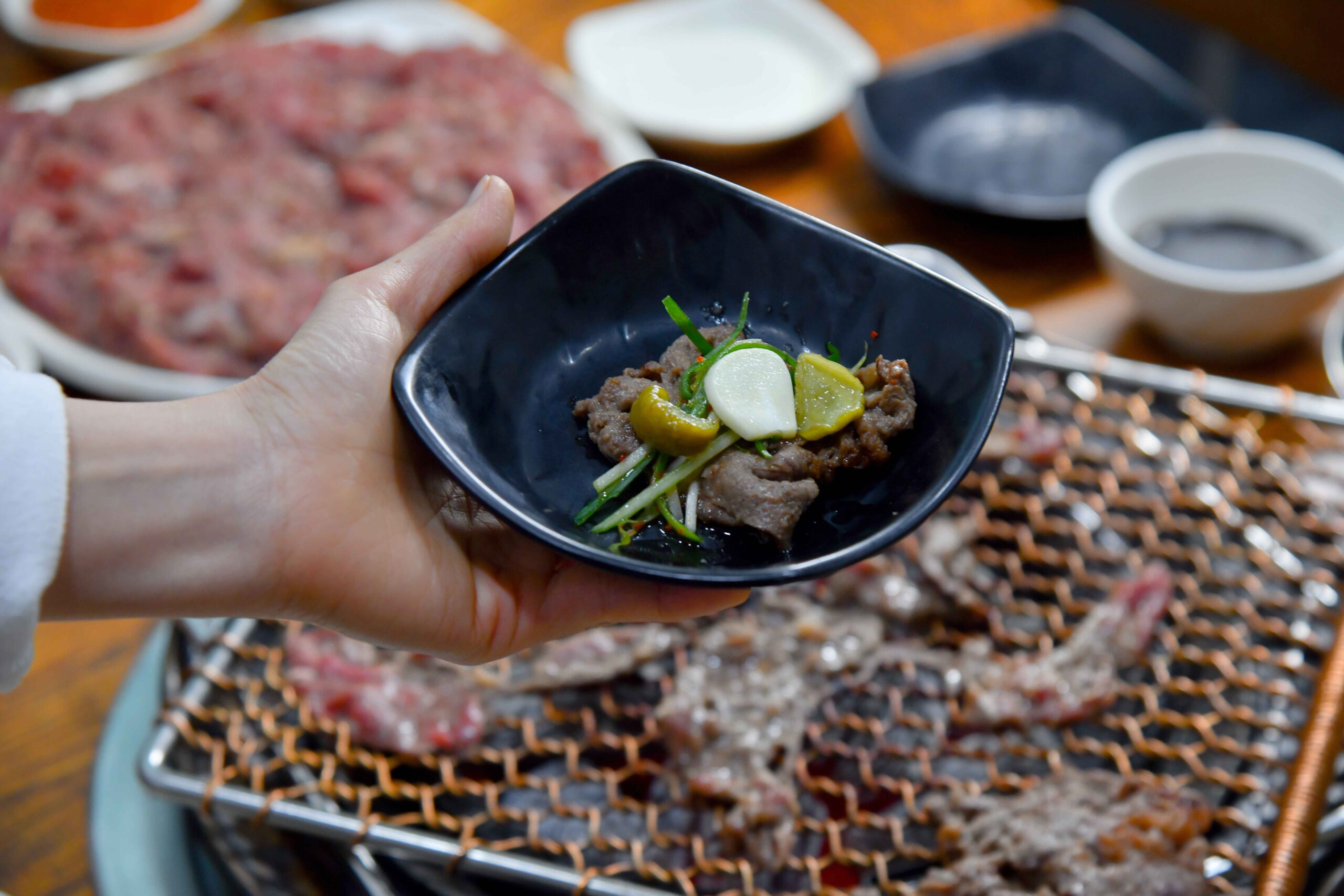
Bulgogi (불고기). Thin beef marinated in soy sauce, garlic, pear and sugar, then grilled. It is sweet rather than hot, and it is the dish Korean parents order for their own children. Served with rice, it is a complete meal that looks familiar enough not to frighten anyone.
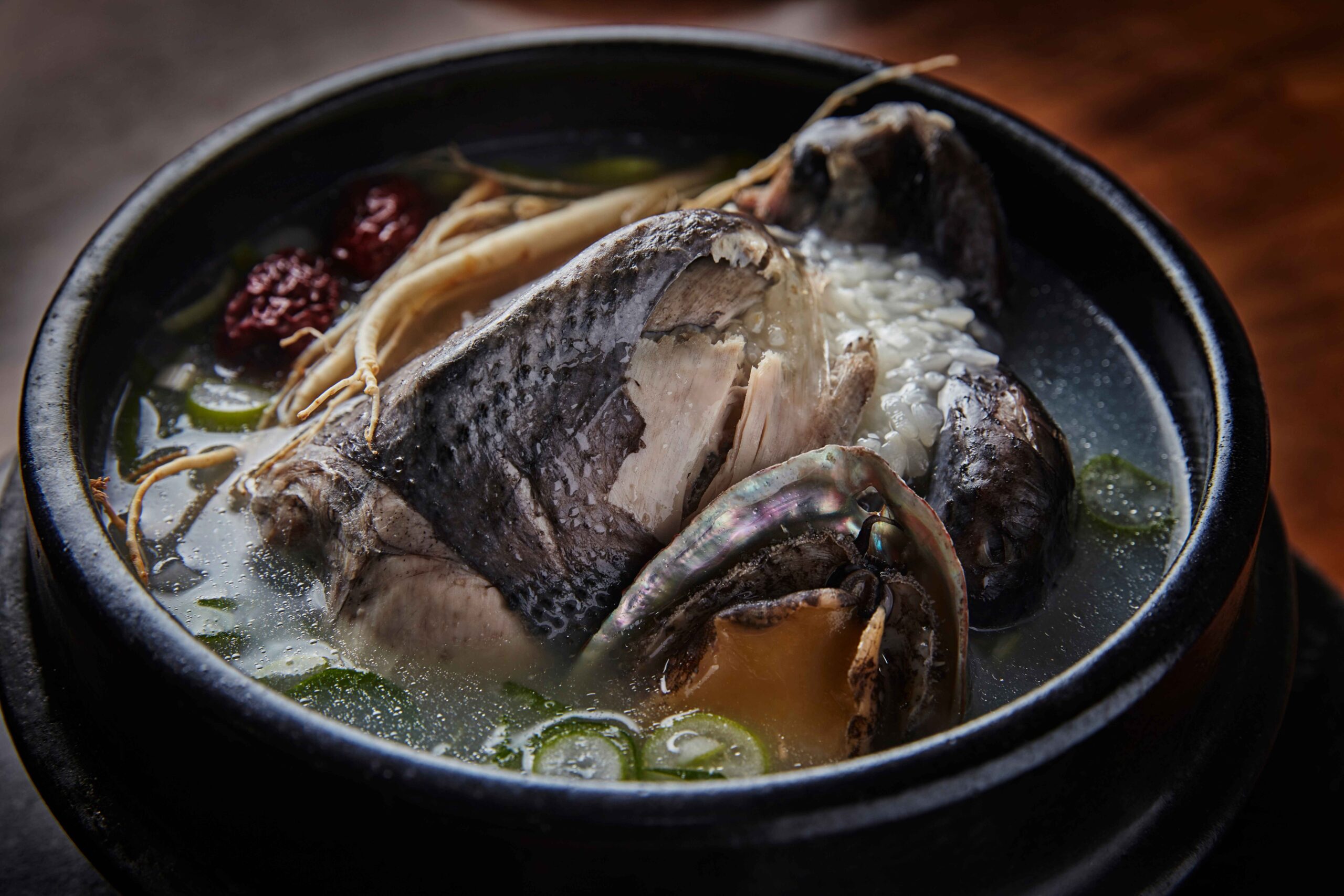
Samgyetang (삼계탕). A whole small chicken simmered with ginseng, garlic and rice stuffed inside it, served in its own broth. Completely unspiced — you salt it yourself at the table. It is warming, it is soft, and it is one of the few Korean restaurant meals that arrives already portioned into a bowl.
Japchae (잡채). Sweet potato noodles stir-fried with vegetables and a little beef in sesame oil. Slippery, faintly sweet, and reliably popular with children who have decided they only eat noodles.
Two more once everyone has settled in
Two more dishes are worth trying once everyone has settled in: tteokgalbi (grilled minced beef patties on the bone, sweet and soft) and kalguksu (hand-cut wheat noodles in a mild broth).
The phrases that get your food unspiced
You do not need Korean to eat in Korea, but four phrases change what arrives at the table. Show them on your phone if saying them feels like too much.
- 안 맵게 해주세요 — an maepge haejuseyo — “Please make it not spicy.”
- 아이가 먹을 거예요 — aiga meogeul geoyeyo — “It’s for a child.” This one does more work than the first. Say it and kitchens will often adjust without being asked twice.
- 고추장 빼주세요 — gochujang ppaejuseyo — “Without the chilli paste.”
- 앞접시 주세요 — apjeopsi juseyo — “A small plate, please.” Korean families share dishes from the middle of the table, so this is how you get your child their own portion.
One honest caveat: some dishes cannot be de-spiced, because the chilli is cooked into the base. Tteokbokki, budae jjigae and most jjigae stews arrive as they are. Ask before you order rather than after.
Free side dishes are your best friend
Every Korean meal comes with banchan — small free side dishes that land on the table before your food. Restaurants refill them at no charge, and they are the single most useful thing about eating out here with children.
There is almost always something mild among them: steamed egg, seasoned bean sprouts, braised potatoes, sweet black beans, pickled radish, fishcake in soy sauce. A child who refuses the main dish will often eat rice and three banchan and be perfectly fine.
You order rice separately, and it costs about 1,000–2,000 won. So order one more bowl than you think you need.
Where to eat, in rough order of how easy it is
Convenience stores. CU, GS25 and 7-Eleven all have a hot-water dispenser, a microwave and a counter to eat at. Gimbap, triangle kimbap, instant noodles, corn dogs, milk, fruit. This is not a failure of parenting — Korean families do it constantly. Budget 3,000–6,000 won a head.
Gimbap chains. Kimbap Cheonguk and its many imitators are open all day, have picture menus, and serve gimbap, japchae, fried rice, dumplings and mild noodle soups in one place at 5,000–9,000 a dish. If you eat at exactly one type of restaurant in Korea with children, make it this one.
Department store food halls. The basement of any large department store has thirty stalls, air conditioning, clean toilets, high chairs and enormous shared seating. Everyone chooses something different and nobody has to agree.
Korean barbecue. Better with children than it sounds: they can watch the meat cook, the meat is not spicy, and the wrapping-in-lettuce part is a game. Go early — 17:00 to 18:00 — before it fills with office groups and gets loud and smoky.
Bakeries. Paris Baguette and Tous Les Jours are on every corner and sell mild, slightly sweet bread, milk and pastries. On a bad day, this is breakfast.
Finding a restaurant that welcomes children
Korea has a genuine and much-debated phenomenon of “no kids zones” — cafés and restaurants that do not admit young children. They are a minority, they are more common in cafés than in restaurants, and they are usually signposted at the door. It is worth knowing about so that being turned away does not land as a shock.
The city’s answer is the Seoul Kids OK Zone scheme, launched in 2022, which certifies restaurants that actively welcome families. To qualify a venue must be reasonably large and must provide child-sized cutlery, crockery and furniture and something on the menu a child will eat. More than 500 places have been designated, spread across Korean, Chinese and Western restaurants, fast food and cafés.
How to find them: look for the Seoul Kids OK Zone sticker on the door, or open the city’s Smart Seoul Map, choose the urban-life map, and turn on the Seoul Kids OK Zone layer. It shows the certified venues with their cuisine type and directions.
Allergies
Korea requires allergen information to be declared on packaged food, and the list is long — eggs, milk, buckwheat, peanuts, soy, wheat, pine nuts, walnuts, crab, shrimp, squid, mackerel, shellfish, peach, tomato, chicken, pork, beef and sulphites among them. On packaged supermarket and convenience-store food you can generally find what you need, although manufacturers print it in Korean. The Ministry of Food and Drug Safety portal lists the full set.
Restaurants are a different matter. Large franchise chains must display allergen information on their menus; independent restaurants are under no such obligation, and cross-contamination is not managed the way it is in some countries. Sesame oil is in almost everything, soy sauce is nearly universal, and stock is often made with anchovy or beef.
If your child has a serious allergy, carry a printed Korean allergy card, show it rather than explaining it, and lean on packaged food with labels for the meals you cannot verify.
Practical notes on Korean food for kids
- Eat at 17:30. Korean restaurants open through the afternoon and are empty at the hour children want dinner. You get service, space and quiet.
- Water is free and self-service, usually from a dispenser by the door, along with your own cutlery.
- High chairs are common in chains and food halls, rarer in small family-run restaurants.
- Tipping does not exist. Do not leave money on the table; it causes confusion.
- Most places take cards, but keep 20,000 won in cash for small market stalls.
- Split one adult portion between two small children. Korean portions are generous and nobody will mind.
Korean food for kids: the honest summary
In short, Korean food for kids is rarely the problem parents expect. Children who eat rice, noodles, eggs, plain meat or bread will do fine here, often better than in Europe, because the mild options are cheap and available on every street. Children who eat almost nothing will survive on gimbap, bakery bread and convenience-store food, which is exactly what they would do at home.
The trip is not the meal. Pack a couple of familiar snacks for the first two days, learn an maepge haejuseyo, and let the rest sort itself out.
Planning the rest of the trip? See our 5-day Seoul itinerary for families, our guide to getting around Seoul with kids, and rainy day activities in Seoul with kids for the days you eat indoors.
Prices, scheme details and labelling rules change. Check official sources before you travel, and always confirm allergen information directly with the restaurant.